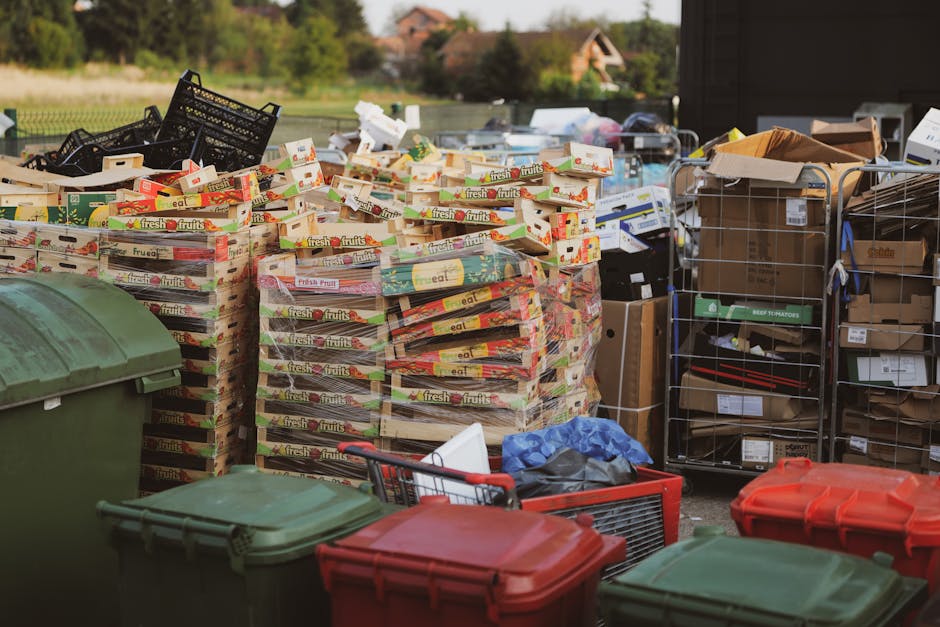
Avoid fly-tipping fines in Osterley: safe bulky waste tips
If you have a sofa wedged in the hallway, an old mattress leaning in the garage, or a stack of broken office chairs taking over the spare room, you are probably not thinking about waste law first. You are thinking: how do I get rid of this quickly, safely, and without creating a problem? That is exactly why Avoid fly-tipping fines in Osterley: safe bulky waste tips matters. A rushed decision can lead to dumped items, missed collections, blocked pavements, complaints from neighbours, and, in the worst cases, fines that are far more painful than the original clearance job.
In Osterley and across west London, bulky waste needs a sensible plan. The good news? It is not complicated once you know the options. This guide walks you through the practical side of bulky waste disposal, what counts as fly-tipping, how to stay on the right side of the rules, and how to choose a safe, responsible route that suits your budget and schedule. If you want a clear, no-nonsense approach, you are in the right place.
Table of Contents
- Why Avoid fly-tipping fines in Osterley: safe bulky waste tips Matters
- How Avoid fly-tipping fines in Osterley: safe bulky waste tips Works
- Key Benefits and Practical Advantages
- Who This Is For and When It Makes Sense
- Step-by-Step Guidance
- Expert Tips for Better Results
- Common Mistakes to Avoid
- Tools, Resources and Recommendations
- Law, Compliance, Standards, or Best Practice
- Options, Methods, or Comparison Table
- Case Study or Real-World Example
- Practical Checklist
- Conclusion
- Frequently Asked Questions
Why Avoid fly-tipping fines in Osterley: safe bulky waste tips Matters
Bulky waste is one of those things that looks harmless until it is left in the wrong place. A wardrobe by the kerb, a mattress behind a hedge, a pile of dismantled office furniture near a service road - suddenly it becomes an eyesore, a trip hazard, and a potential enforcement issue. In the UK, fly-tipping is taken seriously because dumped waste can affect public health, block access, attract pests, and damage local streets and green spaces. Osterley is no different. Clean streets and tidy shared areas depend on people making sensible disposal choices.
There is also a practical reason to care: if waste is traced back to you, even indirectly, you may find yourself explaining what happened. That can happen through receipts, address labels, packaging, or simply because items were handed to an unlicensed collector who never disposed of them properly. Truth be told, a cheap offer to "take it away today" can become expensive very quickly.
For households, landlords, small businesses, and office managers, the aim is simple: remove bulky items without risking penalties or creating a nuisance for everyone else. That means planning the uplift, checking who you are dealing with, and keeping some basic records. It sounds dull. It is also what protects you.
Expert summary: The safest bulky waste solution is rarely the fastest-looking one. A legal, traceable, and properly handled clearance is almost always the better option than leaving items out or handing them to an unknown collector.
If you are comparing service standards and want reassurance on responsible handling, it is worth reviewing a provider's recycling and sustainability approach as well as its insurance and safety information. Those pages do not just tick boxes; they tell you a lot about how carefully a company works.
How Avoid fly-tipping fines in Osterley: safe bulky waste tips Works
The process is really about three things: identifying the waste, choosing the right route, and proving it was handled properly. Once you understand those steps, the whole job becomes much less stressful.
First, identify what you need to clear. Bulky waste usually includes items such as sofas, wardrobes, beds, mattresses, office desks, chairs, filing cabinets, broken appliances, and mixed household clutter. Some items may need extra care because they contain electrical parts, sharp edges, or hazardous materials. A cracked monitor is not the same as a bag of cardboard. Common sense helps here, but a little planning helps more.
Second, decide whether the item can go through a council collection, a private clearance service, a reuse route, or a recycling route. There is no universal answer. A couple of light items may be easy enough to book out. A full office strip-out, on the other hand, is a different beast entirely and usually needs structured removal, lifting equipment, and proper sorting.
Third, keep evidence. A written quote, payment confirmation, job reference, and ideally some note of where the waste went all help show that you acted responsibly. If something later appears dumped, having a paper trail matters. A lot.
For many readers, the most useful approach is to combine convenience with a documented, compliant service. If you are gathering quotes, take a look at pricing and quotes so you know what information to request before you book. Clear pricing tends to reduce surprises, and surprises are rarely welcome on clearance day.
Key Benefits and Practical Advantages
Choosing a safe bulky waste route is not just about avoiding penalties, although that is a big one. There are several genuine benefits that matter in day-to-day life.
- Lower risk of fines or complaints: When waste is collected legally and documented properly, you reduce the chance of enforcement trouble.
- Cleaner property and better access: Hallways, bin stores, garden paths, and loading areas become usable again.
- Less stress: You are not hoping the items disappear on their own or worrying whether a mystery collector will do the right thing.
- Better environmental outcomes: Reusable and recyclable items can be separated rather than mixed into general waste.
- Safer handling: Heavy wardrobes and damaged furniture can cause injuries if they are moved badly or left where people walk.
There is also a softer benefit that gets overlooked: peace of mind. You know where the items went. You know they were handled properly. And when the job is done, the space feels lighter. Not in a sentimental way, just in a very practical, real-world sense. Less clutter, fewer worries.
For organisations, there can be reputational value too. If staff, tenants, or customers see that waste is being managed responsibly, it signals order and care. That's the sort of thing people notice quietly, even if they never say it out loud.
Who This Is For and When It Makes Sense
This topic matters to more people than you might think. Bulky waste is not just a household headache. In Osterley, it often involves a mix of domestic, commercial, and landlord situations.
- Homeowners clearing out old furniture after redecorating or moving house
- Tenants who need to leave a property tidy without leaving items behind
- Landlords and letting agents dealing with abandoned furniture or end-of-tenancy clutter
- Small offices replacing desks, chairs, and storage units
- Retail and hospitality businesses removing damaged fixtures or excess stock
- Community groups and faith venues updating rooms, halls, or storage spaces
It makes sense whenever the items are too big for normal bins, too awkward for a quick car trip, or too risky to leave for someone else to sort out. If you have ever stood in a doorway, looking at a broken desk and thinking "well, that is not going into the bin", you already know the moment.
It also makes sense if you are short on time. A clear-out can start with good intentions and end with a pile in the drive that gets in the way of everything else. A proper plan avoids that awkward halfway stage where the house or office looks worse before it gets better. We have all seen that stage. It is not fun.
Step-by-Step Guidance
Here is a practical, sensible way to deal with bulky waste in Osterley without drifting into fly-tipping territory.
- Sort the items by type. Separate furniture, electricals, metal, reusable goods, and anything that may need special handling. A quick sort saves time later.
- Check whether anything can be reused. If an item is still serviceable, donation or reuse may be the right route. That is often the best outcome for simple office furniture or home items in decent condition.
- Measure access points. Lifts, stairwells, narrow hallways, and rear access routes can change the job considerably. A sofa that looks manageable in the lounge can become a small drama at the front door.
- Request a clear quote. Ask what is included, whether labour and disposal are covered, and how mixed loads are priced. For straightforward guidance, the quote and pricing page is a sensible place to start.
- Confirm the collection date and load-out method. Make sure you know whether items need to be outside, downstairs, or ready in a specific area.
- Ask how waste is sorted. Responsible operators should be able to explain reuse, recycling, and disposal routes in plain English.
- Keep records. Save the booking confirmation, invoice, and any collection notes. If you are a business, this is especially sensible.
- Inspect the area after the clearance. Check for screws, glass, splinters, packaging, and anything else that may have been missed. A quick sweep can prevent a nasty foot cut later.
That last step sounds tiny, but it matters. Dust, staples, and broken offcuts have a knack for hiding in corners. You notice them at the worst possible moment, usually barefoot. Classic.
Expert Tips for Better Results
A few small habits can make bulky waste removal smoother, cheaper, and safer.
1. Group similar items together
If all the office chairs are together, or all the bedroom furniture is in one area, loading is quicker and less disruptive. Mixed clutter scattered across rooms tends to waste time and increase labour.
2. Take photos before collection
Photographs are useful for quotes, access planning, and keeping a record of item condition. They are especially handy if you are arranging a clearance remotely or on behalf of a landlord.
3. Separate anything reusable
A bookcase in decent condition, a desk with a working frame, or a filing cabinet with life left in it may be suitable for reuse rather than disposal. That can reduce waste and sometimes the overall cost too.
4. Ask about reuse and recycling rates
You do not need a lecture, just a clear answer. A good provider should be able to tell you what happens to metal, timber, electricals, and general waste without sounding vague or evasive.
5. Be honest about access issues
Stairs, tight corners, parking restrictions, and lift access can all change the job. Saying "it should be fine" when the sofa clearly needs two people and a careful angle is how delays happen. Better to be frank from the start.
6. Use a provider with proper safety standards
For heavier or awkward items, safety procedures are not optional. Review the company's health and safety policy and insurance and safety details if you want reassurance that lifting, loading, and transit are being handled responsibly.
7. Think ahead about timing
A same-day clearance can be very helpful, but if you are not in a rush, you may have more flexibility on date and route. Morning collections often work better for blocked access or tight parking, especially where neighbours share the same entrance.
Small choices, really. But they add up.
Common Mistakes to Avoid
This is the part where people usually get into trouble, and most of the mistakes are avoidable.
- Leaving items on the pavement without arranging a lawful collection. Even if they look tidy, they can still count as dumped waste.
- Using unlicensed collectors. A low price is not a good deal if the waste ends up abandoned somewhere else.
- Assuming someone else will sort it out. If you own the waste, you still need to know where it is going.
- Mixing hazardous items with general bulky waste. Batteries, certain electrical items, and some chemicals need separate handling.
- Forgetting to protect floors and walls. Scratches, chipped plaster, and damaged door frames are common during rushed moves.
- Not checking quote details. Hidden labour charges, restricted access costs, or disposal surcharges can spoil an otherwise smooth job.
One common misunderstanding is thinking that "temporary" storage outside a property is harmless. It is not always harmless. If an item is left out and it becomes somebody else's problem, you are drifting into avoidable risk territory. Better to book the move properly, even if it takes an extra day.
If you are unsure how a provider handles payments, look for clear information on payment and security. A tidy payment process is usually a sign that the rest of the operation is equally organised.
Tools, Resources and Recommendations
You do not need a van full of specialist kit to handle bulky waste safely, but a few practical tools make life easier.
- Heavy-duty gloves for handling rough or dirty items
- Furniture blankets or floor protection to prevent damage during moving
- Ratchet straps or rope for securing items in transit
- Tape measure to check doorways, stair turns, and lift sizes
- Mobile phone camera for recording condition and access challenges
- Labels or sticky notes to mark keep, donate, recycle, and dispose piles
For many readers, the most useful "resource" is a reliable provider who can give straight answers. If sustainability matters to you, ask how they approach reuse and recycling rather than assuming everything goes to landfill. A good starting point is the company's recycling and sustainability page, because it usually gives a better picture of their disposal standards than a generic sales pitch ever could.
And if your project is bigger than a one-off item or two, a proper service enquiry through the main Osterley office clearance site can help you get the right scope from the outset. That is much better than guessing, especially when time is tight.
Law, Compliance, Standards, or Best Practice
Without getting bogged down in legal jargon, the basic principle is simple: waste should be transferred only to authorised people or services, and you should take reasonable steps to make sure it is handled properly. In the UK, duty-of-care expectations apply to households and businesses in different ways, and businesses generally need to be more structured about record-keeping and contractor checks. If you are unsure about your responsibilities, it is sensible to seek advice rather than assume.
Best practice usually means:
- using a reputable, traceable provider
- keeping a record of the collection
- checking that the waste type matches the service offered
- avoiding doorstep handovers to unknown operators
- making sure hazardous or electrical items are handled correctly
For businesses, compliance is not just a paperwork issue. It affects reputation, tenant relations, insurance concerns, and general risk management. If a clearance involves staff areas, stairs, shared corridors, or loading bays, then safety standards matter as much as disposal. In that case, reviewing a provider's health and safety approach is more than a box-tick. It is part of sensible due diligence.
There is also a broader ethical layer. Responsible disposal includes avoiding exploitative labour practices and making sure subcontractors are used carefully. If you want to understand a company's wider standards, you can also review its modern slavery statement. It is not the first page most people think to open, but it does say something about governance and accountability.
Options, Methods, or Comparison Table
Choosing the right bulky waste route depends on the item, urgency, access, and how much sorting you are willing to do yourself. Here is a simple comparison that may help.
| Option | Best for | Pros | Watch-outs |
|---|---|---|---|
| Council collection | Smaller numbers of household bulky items | Simple and familiar; often suitable for basic clear-outs | May have booking limits, waiting times, or item restrictions |
| Private bulky waste clearance | Fast removal, mixed loads, awkward access, office items | Flexible; can handle lifting, loading, and sorting | Quality varies, so check legitimacy, safety, and disposal methods |
| Reuse or donation | Items still in usable condition | Can reduce waste and help others | Not every item is suitable, and collection acceptance varies |
| DIY transport to a facility | Small loads and people with time, access, and the right vehicle | Direct control over the journey | Heavy lifting, time costs, and vehicle loading risks |
There is no perfect route for every situation. A single broken armchair is one thing; an office full of outdated desks is another. If you are torn between convenience and cost, the key question is usually this: what will save time without increasing risk? That answer tends to be more useful than chasing the cheapest headline price.
Case Study or Real-World Example
A small business in Osterley had an awkward mix of furniture after a workspace refresh: three desks, a worn sofa, two filing cabinets, and some electrical waste from old monitors. The team initially considered leaving everything outside overnight for a quick pickup. On reflection, they realised that was a bad idea, especially with shared access and foot traffic nearby. To be fair, it is the sort of shortcut people consider when deadlines are breathing down their necks.
Instead, they booked a proper collection, took photos of the items and access route, and asked how the waste would be sorted. They also kept the booking confirmation and invoice together in one folder. The clearance happened in one visit, the items were removed without blocking the entryway, and the office reopened the next morning without any mess at all. No drama. No awkward neighbour complaint. Just done.
The real lesson was not about speed. It was about planning. A little preparation meant they avoided the sort of hassle that starts as "we'll just leave it there for now" and ends with everyone regretting the decision.
Practical Checklist
Use this checklist before you arrange bulky waste removal in Osterley.
- Identify all bulky items and group them by type
- Separate reusable items from waste where possible
- Check for electrical, sharp, or hazardous components
- Measure access points, stairs, and lifts
- Take photos of the items and the access route
- Request a clear quote with no vague extras
- Confirm whether labour, lifting, and disposal are included
- Ask what happens to recyclable and reusable items
- Keep your booking confirmation and invoice
- Do a final sweep after collection for screws, glass, and debris
If you tick all ten, you are in a much stronger position. It sounds simple, and mostly it is. The difference is that simple done properly is what keeps you out of trouble.
Get a free quote today and see how much you can save.
Conclusion
Bulk waste does not need to become a source of fines, stress, or awkward neighbour conversations. Once you have a clear plan, the job gets much easier: sort the items, choose a legitimate route, keep evidence, and work with a provider that takes safety and disposal seriously. That is the heart of Avoid fly-tipping fines in Osterley: safe bulky waste tips - not just removing clutter, but doing it in a way that protects you, your property, and your wider community.
In Osterley, where access can be tight and shared spaces matter, a careful approach is usually the smartest one. Not flashy. Just sensible. And frankly, sensible wins most of the time. If you start with the right questions, you are already halfway there.
When the last item is gone and the space is clear again, the relief is real. A cleaner room, a tidier entrance, a quieter mind. That is worth getting right.
Frequently Asked Questions
What counts as bulky waste in Osterley?
Bulky waste usually includes large household or office items that do not fit into regular bins, such as sofas, beds, mattresses, wardrobes, desks, chairs, and cabinets. Some electrical items may also count, depending on their size and handling needs.
Can I leave bulky items on the pavement for collection?
Not unless they are being collected through a lawful arrangement that allows it. Leaving items out casually can be treated as fly-tipping or an obstruction. If in doubt, arrange a proper pickup and confirm the exact set-out instructions.
How do I know if a waste collector is legitimate?
Ask for clear business details, a written quote, proof of insurance, and an explanation of how the waste will be handled. If the company avoids basic questions or offers a suspiciously vague service, that is usually a warning sign.
What is the safest way to get rid of a sofa or mattress?
The safest route is to use a lawful collection service that can remove the item from your property, load it properly, and dispose of it through the correct channels. Mattresses are especially awkward to leave around, so it is best to plan them out early.
Are office bulky waste clearances different from home clearances?
Often, yes. Office clearances can involve more items, shared access points, electrical equipment, and tighter time windows. They may also require more structured sorting and better record-keeping, especially for businesses.
How can I reduce the cost of bulky waste removal?
Group items together, separate reusable goods, provide accurate information upfront, and avoid last-minute surprises about access or item type. A clear brief usually leads to a clearer price. That alone can save a lot of back-and-forth.
What should I ask for in a quote?
Ask what is included, whether labour and disposal are covered, how mixed loads are charged, and whether there are extra costs for access issues or heavy items. The more precise the quote, the easier it is to compare fairly.
Do I need proof that my waste was collected properly?
Yes, keeping proof is sensible. Save the invoice, booking confirmation, and any collection reference. If you are a business, records are especially important because they help show you took reasonable steps.
What happens if waste I arranged is later found dumped elsewhere?
That is exactly why using a reputable, traceable provider matters. If the waste can be linked back to you, you may need to explain what happened. A paper trail and proper contractor checks help reduce that risk.
Can bulky waste be recycled?
Often, yes, at least in part. Furniture, metal, wood, and some electrical components can sometimes be separated for recycling or reuse. A responsible provider should be able to tell you how they sort items before disposal.
How far in advance should I book a clearance?
If the job is small and urgent, you may be able to book quickly. For larger or more complex clearances, it is better to plan ahead so access, pricing, and timing can be agreed without stress. A day or two of thinking ahead can spare you a lot of scrambling.
Where can I check a company's trust and policy information?
Look for pages covering insurance, health and safety, complaints, accessibility, and sustainability. Those details are a good sign that the business is organised and willing to stand behind its service. If a company makes those pages easy to find, that is usually reassuring.
What is the next sensible step if I need bulky waste removed soon?
Make a simple list of the items, take a few photos, and request a clear quote from a local provider. If you need a quick starting point, the main site and pricing information can help you move from "I need this gone" to a real plan without overcomplicating it.
And if all you do today is make the first sensible call, that is enough to get the ball rolling. One careful step at a time - that is usually how the best clear-outs happen.