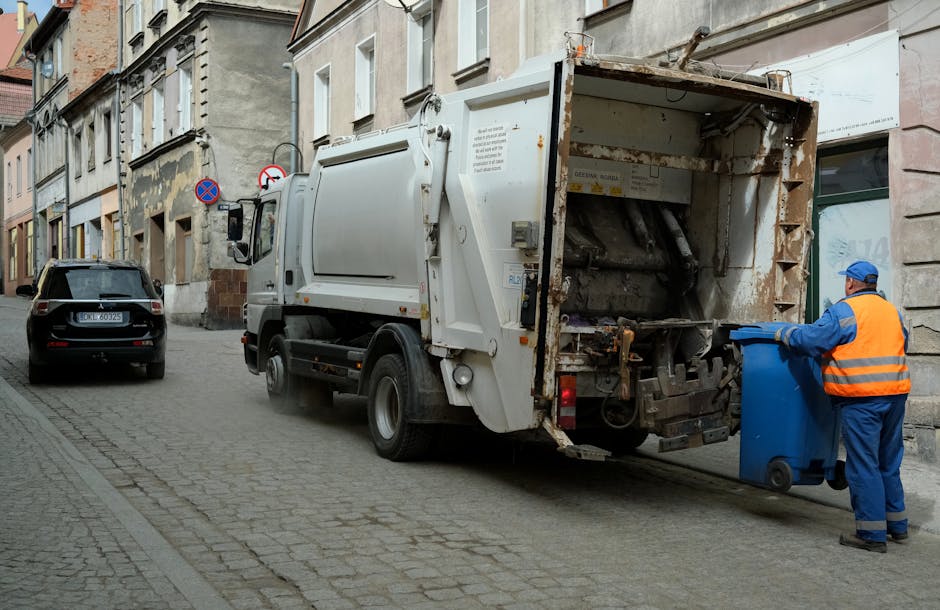
Confused by council collection slots? Osterley rubbish FAQ
If you have ever stared at a council collection notice and thought, "Right, what exactly does this slot mean?", you are not alone. Missed bins, awkward timing, odd rules for bulky waste, and a general sense that the whole thing changes just when you think you've got it sorted can turn a simple tidy-up into a bit of a headache. This Confused by council collection slots? Osterley rubbish FAQ guide is here to make the process feel much clearer, especially if you are planning a clear-out in Osterley and want to avoid the usual confusion.
Whether you are dealing with household rubbish, cardboard from a big delivery, garden waste, or a pile of items that needs to go sooner rather than later, the key is understanding how council collection slots work, what they usually cover, and where the limits sit. Let's face it, the difference between "put it out tonight" and "wait until next week" matters quite a lot when bags are starting to pile up by the front door.
Below, you'll find a practical breakdown of how collection slots tend to work, the most common mistakes people make, and what to do when council timing doesn't line up with real life. There's also a checklist, a comparison table, and a proper FAQ section for the questions people actually ask.
Table of Contents
- Why Confused by council collection slots? Osterley rubbish FAQ Matters
- How Confused by council collection slots? Osterley rubbish FAQ Works
- Key Benefits and Practical Advantages
- Who This Is For and When It Makes Sense
- Step-by-Step Guidance
- Expert Tips for Better Results
- Common Mistakes to Avoid
- Tools, Resources and Recommendations
- Law, Compliance, Standards, or Best Practice
- Options, Methods, or Comparison Table
- Case Study or Real-World Example
- Practical Checklist
- Conclusion
- Frequently Asked Questions
Why Confused by council collection slots? Osterley rubbish FAQ Matters
Collection slots sound simple until they aren't. A notice may tell you when waste will be picked up, but that slot may refer to a narrow window, a specific bin type, or a particular kind of service such as bulky waste or garden waste. If you misunderstand the slot, your rubbish may stay out too long, get refused, or need to be re-sorted before it can be collected. That is frustrating, and in a busy week it can throw everything off.
For Osterley residents, the stakes are practical rather than dramatic. You want a clean front path, fewer bags in the way, and a plan that fits around work, school runs, shared driveways, neighbours, and the weather. Rainy bins are one thing; a missed collection and a recycling bag blown down the street is another. There's a reason people end up searching for a local rubbish FAQ in the first place.
This matters even more if you are clearing out a home, managing a tenant handover, or trying to keep on top of a cluttered garage or loft. A delay of a day or two is one thing. A delay of a week or a failed pickup can make a small job feel enormous.
In our experience, the confusion usually comes from one of three places: the collection slot itself is unclear, the type of waste does not match the service booked, or the items were put out in a way that doesn't meet the expected rules. Those are fixable problems, but only if you know what you're dealing with.
How Confused by council collection slots? Osterley rubbish FAQ Works
At a basic level, council collection slots are the timeframes or scheduled windows when waste is expected to be collected. Depending on the service, you may be dealing with a regular household bin collection, a bulky waste booking, garden waste, or a one-off collection arrangement. The wording can be a bit dry, but the practical meaning is straightforward: put the right thing out, at the right time, in the right place.
Most of the confusion comes from how these slots are described. Sometimes the slot means the day of collection, sometimes it means a window during which waste should be presented, and sometimes it is tied to a booked appointment. If you have ever thought, "Do I put it out the evening before or on the morning itself?", that is exactly the sort of uncertainty this FAQ is meant to clear up.
For a local clear-out, the important part is to match your waste to the correct route. General household rubbish is usually handled differently from recyclable materials, bulky items, and anything that may need special handling. If you are organising a bigger disposal job and want to understand what happens on the service side, it can help to look at pages such as pricing and quotes and recycling and sustainability to see how responsible disposal is approached.
There is also a simple timing reality. A collection slot is not always a promise of immediate pickup. Traffic, route changes, access issues, and volume on the day can all affect the exact moment waste is collected. That's normal. Annoying, yes. But normal.
What usually causes delays or missed collections?
The most common causes are mundane, which is actually good news because mundane problems are usually solvable:
- the bags or items were placed outside too late
- the waste was left in the wrong place, such as behind a gate or blocking access
- the contents did not match what the collection was meant to take
- items were overweight, overfilled, or not secured properly
- the booking details were misunderstood or incomplete
That short list covers a lot of headaches. And yes, sometimes the issue is just a misunderstanding. A slot read one way by the resident and another way by the service provider. Happens more often than people admit.
Key Benefits and Practical Advantages
Getting clear on council collection slots saves time, but the real benefit is reduced friction. A rubbish job that is properly planned feels smaller, calmer, and more manageable. You are not waiting around guessing whether the bin lorry has been or whether the bulky waste crew will turn up before lunch.
Here are the practical upsides:
- Less risk of missed collections: better timing means fewer rejected or overlooked items.
- Cleaner outside spaces: waste is out and gone, rather than lingering by the kerb or in a hallway.
- Less stress for households and landlords: you are not trying to coordinate a last-minute scramble.
- Better sorting: when you understand the slot, you are more likely to separate rubbish, recycling, and bulky items correctly.
- Fewer neighbour issues: nobody enjoys a row over bags left out for too long.
There is also a hidden benefit that people overlook: good planning often reduces the overall amount of waste you produce. Once you know what can be collected, what needs separate handling, and what should be kept back for reuse or donation, you stop treating every item as an automatic throwaway. That can be oddly satisfying. A bit of order returns to the room, and honestly, that first cleared corner always feels better than you expect.
If you are comparing options for a larger clear-out, understanding the wider service picture can help. You might also want to review the company's about us page to see how local collection and clearance support is framed, or check insurance and safety if the job involves heavier or awkward items.
Who This Is For and When It Makes Sense
This guide is for anyone who has been left second-guessing a waste collection notice, but it is especially useful if you are in one of these situations:
- Homeowners doing a clear-out after a renovation, declutter, or moving day
- Landlords and letting agents needing fast turnaround between tenancies
- Flat residents managing limited bin space or shared collection points
- Families dealing with an extra volume of packaging, toys, clothes, and mixed rubbish
- Older residents or carers who need a simpler, less physically demanding disposal plan
- Small businesses with occasional office or storage waste that does not fit normal bins
It also makes sense when council collection timing simply doesn't fit your schedule. Maybe you are away the day before collection. Maybe the waste is ready now, not next Tuesday. Maybe the item is too bulky, too awkward, or too mixed to wait around for a standard bin day. Truth be told, not every job fits neatly into council timing.
That's where a more flexible disposal approach can be useful. If you need to ask questions before deciding, the contact us page is the natural next stop for practical help.
Step-by-Step Guidance
If you are trying to work through a rubbish collection slot without making it harder than it needs to be, a simple method helps. Here is the process we recommend.
- Identify the waste type. Separate general rubbish, recycling, food waste, garden material, and bulky items. If it is mixed, stop and sort first.
- Check the service wording carefully. Look for the date, time window, presentation instructions, and any item restrictions. Small details matter more than people expect.
- Prepare items properly. Use sturdy bags, flatten cardboard, drain liquids where appropriate, and keep sharp or heavy items safe.
- Place waste where it can be collected easily. The access point should be obvious and unobstructed. Don't hide it behind bikes, planters, or the bins already in use.
- Set a reminder. A phone alert the night before saves a lot of stress. Sounds obvious, but you would be surprised how many collections are missed because life got busy.
- Keep proof of booking if relevant. If you booked a slot or made a request, keep the confirmation until the collection is complete.
- Confirm what happens next. If the waste is not picked up, check whether a rebooking, correction, or resubmission is needed.
One small but important point: if you are clearing a whole property, do not assume every item can wait for the same slot. A sofa, broken shelving, old printers, and household bags may need different handling. That's where a bit of separation at the start saves a lot of faffing later.
Expert Tips for Better Results
People often think rubbish clearance is mostly about lifting and loading. It isn't. The smooth jobs are usually the ones that were prepared before anyone arrived or before the bin went out. Here are the habits that make a real difference.
- Sort in the room, not after the pile has grown. Put recycling with recycling straight away. It stops the "mixed mountain" effect.
- Keep access clear. A narrow path, a locked gate, or a parked car can slow everything down.
- Watch weight and size. Overfilled bags split. Heavy boxes become awkward fast, especially on stairs.
- Use the right containers. Cardboard, loose waste, and green waste behave differently. Treat them differently.
- Plan around weather. A wet morning can soften cardboard and make outside storage messy. A chilly dawn in Osterley can also make pavements slippery, which is not ideal for anyone carrying anything bulky.
- Ask early if something is unusual. Paint, chemicals, electricals, and similar items should never be guessed at. If you are not sure, stop and check rather than taking a risk.
We also recommend reviewing the company's health and safety policy if your situation involves heavy lifting, shared access, or items that could cause injury if moved carelessly. That is not red tape for the sake of it; it's common sense dressed properly.
A tiny bit of humour? The moment you think, "I'll just sort that later," usually turns out to be the moment the hallway turns into a storage unit. Funny, in a mildly painful way.
Common Mistakes to Avoid
Most rubbish collection problems are avoidable. Not all, but most. Here are the usual culprits.
- Leaving waste out too early. That can create complaints, clutter, or weather damage.
- Misreading the slot. A collection day is not always the same thing as a collection window.
- Mixing materials that should be separate. Mixed waste is the fastest way to cause a delay.
- Overstuffing bags. If it looks like it might split, it probably will.
- Assuming bulky items are treated like normal rubbish. They are often not.
- Forgetting access issues. A collection point that is "obvious" to you may not be accessible in practice.
- Ignoring instructions about presentation. Tidy, visible, and safe is nearly always better.
A lot of these issues come down to rushing. If you are trying to beat the clock before work, it is easy to miss a small instruction. That is human. Still, one careful check can prevent a whole extra round of hassle.
Tools, Resources and Recommendations
You do not need fancy equipment to deal with council collection slots well. A few simple tools and habits are enough for most homes.
| Tool or resource | Why it helps | Best for |
|---|---|---|
| Phone calendar reminder | Stops you missing the collection window | Busy households and anyone with a packed week |
| Sturdy bags and boxes | Keeps waste secure and easier to handle | General rubbish, mixed household items, small clear-outs |
| Marker pen and labels | Helps separate items by type | House clearances and multi-person households |
| Protective gloves | Reduces risk from sharp edges and dirt | Garage, loft, shed, and garden work |
| Quote or support page | Helps you understand cost, service scope, and next steps | Anything beyond a simple bin day |
If you are comparing disposal help for a more complicated job, the pricing and quotes page is useful for understanding how a service may be approached, while recycling and sustainability gives a better sense of how materials are typically handled responsibly.
If you are the type who likes to know the fine print before making a decision, you may also want to review terms and conditions and payment and security. Not exciting, granted, but useful.
Law, Compliance, Standards, or Best Practice
When rubbish and waste handling comes up, it is wise to stay on the right side of local rules and accepted UK best practice. The exact details vary by council and by waste type, so this article avoids pretending there is one universal rulebook. There usually isn't. Still, a few principles hold true.
First: follow the collection instructions you are given. If the slot requires waste to be outside by a certain time, placed in a certain location, or separated in a certain way, those instructions matter.
Second: do not place hazardous, sharp, electrical, or specialist waste in with ordinary rubbish unless the service clearly permits it. When in doubt, stop and ask rather than guessing.
Third: use a provider or process that treats safety, access, and responsible disposal seriously. That is where trust signals matter. A good operator should have clear policies, careful handling, and a sensible approach to recycling and waste transfer. If you want to see how those standards are presented in practice, the company's insurance and safety and modern slavery statement pages help show the kind of accountability serious businesses tend to maintain.
Fourth: keep personal data in mind if you are clearing an office or paperwork-heavy room. Files, labels, and envelopes can contain details that should not simply be dumped loose into a general pile. Shred or secure them where needed. Common sense again, but worth saying.
For residents who want transparency around business practices and complaints handling, complaints procedure and accessibility statement can also be reassuring pages to review. They show that service quality is not being treated casually. That matters more than people think.
Options, Methods, or Comparison Table
If you are stuck between waiting for the next council collection slot and arranging a faster clearance, it helps to compare the options honestly. There is no one-size-fits-all answer, because the right choice depends on volume, timing, and what exactly needs removing.
| Option | Best for | Strengths | Limitations |
|---|---|---|---|
| Council collection slot | Regular household waste and standard scheduled items | Simple, familiar, usually the first port of call | Can be inflexible, delayed, or unsuitable for bulky mixed items |
| Self-managed sorting and waiting | Low-volume rubbish with no urgency | Low effort if you already have a clean, simple setup | Not ideal when space is tight or items are awkward |
| Booked waste clearance support | Busy homes, one-off clear-outs, heavier or mixed loads | More flexible timing and less lifting for you | Requires planning and a clear understanding of costs and scope |
For many people in Osterley, the best answer is a mix. Keep standard rubbish on the normal route, but use a more organised clearance approach for the leftover items that don't fit neatly into a bin slot. That usually keeps things moving without turning your week upside down.
Case Study or Real-World Example
A typical situation goes something like this. A family in Osterley has finished a slow, long-overdue declutter of a spare room. There are broken boxes, an old desk chair, packaging from a new wardrobe, several bags of mixed waste, and a few items the council collection will not take in the usual way. The collection slot on paper looks manageable, but in practice the waste is too mixed and there is nowhere sensible to leave everything overnight.
Instead of trying to force all of it into one approach, they split the job into categories. Recyclables were flattened and separated. General rubbish was bagged securely. The awkward items were set aside for a proper clearance quote. That reduced the amount going out with the regular slot, made the outside area tidier, and avoided the "where on earth does this go?" panic on collection day.
What changed the outcome wasn't a miracle or a special trick. It was just good sequencing. First sort, then schedule, then deal with the difficult bits. Nice and boring. Which, with rubbish, is actually ideal.
If you are planning something similar, it can help to start with the practical background on the company's about us page and then move to contact us when you are ready to ask about the next step. Simple, direct, no drama.
Practical Checklist
Before you put anything out or book anything in, run through this list. It keeps the process tidy and cuts down on missed steps.
- Have I identified the correct waste type?
- Do I know the exact collection slot or booking window?
- Are the items bagged, boxed, or secured properly?
- Have I separated recycling, general waste, and bulky items?
- Is the collection point easy to access?
- Have I removed anything that needs special handling?
- Do I have a reminder set for the collection day or time?
- Do I know what to do if the collection is missed or delayed?
- Have I checked the relevant service terms and safety guidance?
- Is there a backup plan if the volume is larger than expected?
That last one is worth keeping in mind. Waste jobs have a sneaky way of growing while you're in the middle of them. One cupboard becomes two, then the loft, then somehow half the garage too. Happens all the time.
Conclusion
Confusing council collection slots does not mean you are doing anything wrong. It usually means the process has not been explained in a way that fits real life. Once you understand the timing, the waste type, the access needs, and the difference between standard collection and a more flexible clearance approach, the whole thing gets much easier.
For Osterley residents, the smartest route is usually simple: sort carefully, check the slot details, keep access clear, and choose the right disposal method for the job. That saves time, avoids stress, and makes the result feel properly finished rather than half-done. A bit of structure goes a long way.
Get a free quote today and see how much you can save.
And if you've been putting this off for a while, fair enough. Start with one bag, one box, one corner. Small progress still counts, and honestly, it often changes the whole mood of a room.
Frequently Asked Questions
What does a council collection slot usually mean?
A council collection slot is the time or date window when waste is expected to be collected. In some cases it refers to a booked appointment, while in others it simply means the scheduled collection day. The wording can vary, so it is worth checking the exact instruction rather than assuming.
Why was my rubbish not collected even though I put it out?
Common reasons include the wrong waste type, bags being placed too late, access problems, overfilled containers, or items not being presented as required. Sometimes it is a simple misunderstanding of the slot itself. Annoying, yes, but often fixable.
Can I leave rubbish out the night before collection?
That depends on the specific instructions for the service and the area. Some collections expect waste to be placed out the evening before, while others want it out by a certain morning time. If you are unsure, check the details carefully so you do not risk a missed or refused pickup.
What should I do if I have bulky waste and normal bin bags at the same time?
Separate them. Bulky items often need different handling from everyday rubbish. Keep the bags secure, identify the large items clearly, and make sure you know whether the collection route you are using can take both. If not, split the job into two stages.
How do I know if something is recyclable or general waste?
When in doubt, sort conservatively and avoid mixing uncertain items with recycling. Clean cardboard, paper, and many packaging items are usually easier to separate than mixed household rubbish. If an item is dirty, broken, or contaminated, it may no longer be suitable for the recycling stream.
Is it worth waiting for the next council slot instead of arranging a quicker clearance?
Sometimes yes, especially for low-volume waste that is not causing space issues. But if the pile is growing, the item is bulky, or the timing is awkward, waiting can become more stressful than it is worth. The right answer depends on how quickly you need the space back.
What happens if my collection slot changes at short notice?
If a slot changes, the best move is to review the new instructions and adjust your presentation time. Keep the waste safe, accessible, and dry if possible. A last-minute change is frustrating, but rushing the wrong way can create a second problem.
Can I mix office waste with household rubbish?
Only if the service clearly allows it. Office waste may include paper records, packaging, furniture, electronics, and other items that need different handling. Mixed disposal without checking first can lead to delays or incorrect sorting.
What is the safest way to put waste out for collection?
Use strong bags or boxes, avoid overfilling, keep sharp edges covered, and place the waste where it can be collected without awkward lifting or blocked access. Safety matters for you, neighbours, and the collection team. A small amount of care prevents a lot of hassle.
How can I avoid missed collections in future?
Set reminders, read the slot instructions closely, sort waste in advance, and keep the collection point clear. If you regularly have more waste than standard bins can handle, plan ahead rather than trying to solve everything on the day.
Where can I find help if I'm still not sure what to do?
If the rubbish situation is unclear, start with the relevant service pages and contact details. The contact us page is a sensible place to ask specific questions, while pricing and quotes can help if the job is bigger than a routine collection.
Do I need to worry about safety and insurance for heavier items?
Yes, especially with bulky furniture, awkward lifting, stairs, or shared access areas. It is sensible to check how safety is handled before moving anything substantial. Pages like insurance and safety and health and safety policy are worth reviewing if the job has any risk attached.
What if I want to make sure waste is handled responsibly?
Look for clear recycling and disposal practices, sensible sorting, and transparent service information. Responsible handling is not just about getting things out of the way; it is about knowing they are managed properly afterwards. The recycling and sustainability page is a useful starting point for that kind of reassurance.