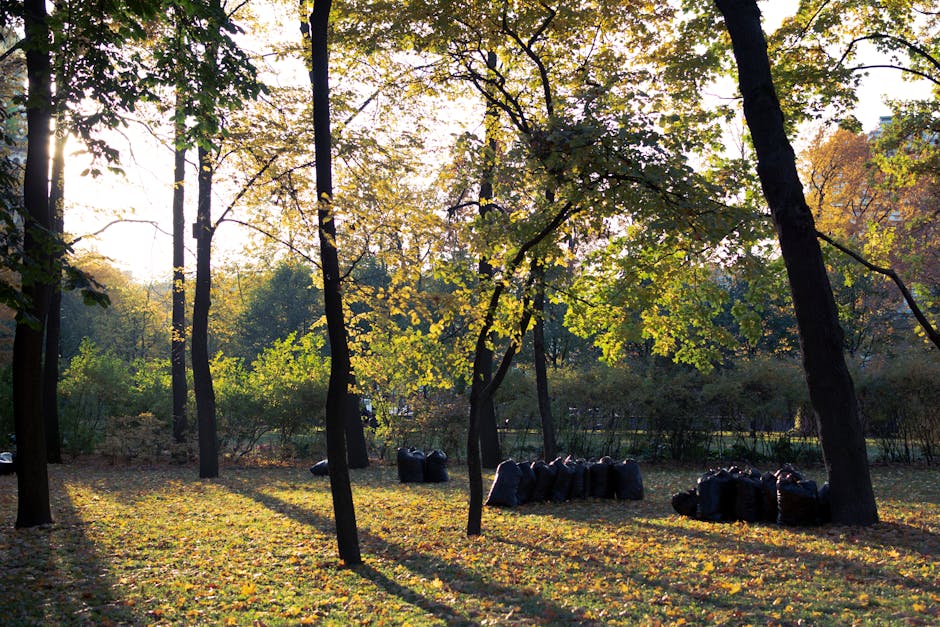
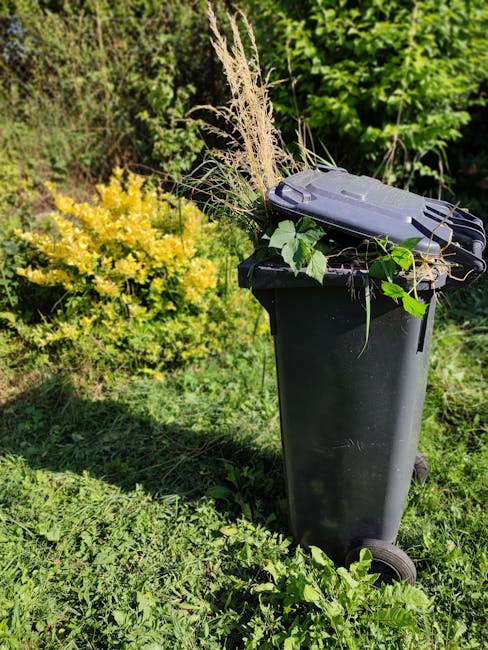
Garden waste rules in Osterley: what Hounslow collects
If you live in Osterley and you've got a pile of cuttings, branches, hedge trimmings or a half-bag of soil sitting by the gate, the question is usually the same: what will Hounslow actually take, and what will it leave behind? Garden waste rules in Osterley: what Hounslow collects can feel straightforward until you're standing there with a broken planter, a sack of weeds, and a few extra bits that suddenly seem questionable. This guide breaks it all down in plain English, so you can sort waste properly, avoid rejection, and choose the right disposal route without the faff.
We'll cover what counts as garden waste, what Hounslow typically accepts, how collection expectations usually work, common mistakes, and what to do when your pile is too big, too mixed, or just not ready for kerbside pickup. You'll also find a practical checklist, a comparison table, and a few real-world examples from the kind of messy garden clear-outs people actually deal with. No fluff. Just useful guidance.
Contents
- Why Garden waste rules in Osterley: what Hounslow collects Matters
- How Garden waste rules in Osterley: what Hounslow collects Works
- Key Benefits and Practical Advantages
- Who This Is For and When It Makes Sense
- Step-by-Step Guidance
- Expert Tips for Better Results
- Common Mistakes to Avoid
- Tools, Resources and Recommendations
- Law, Compliance, Standards, or Best Practice
- Options, Methods, or Comparison Table
- Case Study or Real-World Example
- Practical Checklist
- Conclusion
- Frequently Asked Questions
Why Garden waste rules in Osterley: what Hounslow collects Matters
Getting garden waste right is not just about tidiness. It affects whether your waste is collected, whether it can be recycled, and whether you end up with bags left on the pavement when the crew can't take them. In a busy area like Osterley, where gardens can be compact but surprisingly productive, a few weekends of pruning can build into a lot of material very quickly. Let's face it, the hedge never trims itself.
The main reason these rules matter is that garden waste is treated differently from general rubbish. Green waste can often be composted or processed into useful material, but only if it's presented in the right way. Mixed loads are the problem. A bag that looks like garden waste but contains rubble, plastic pots, old compost sacks, or bits of broken fence can easily be rejected or separated later. That costs time and can lead to extra charges if you're using a private clearance route.
For Osterley residents, understanding the local approach also helps you plan seasonal work. Spring tidy-ups, summer hedge cuts, and autumn leaf fall all create different waste patterns. If you know what is likely to be collected, you can sort it before it becomes a soggy, smelly heap at the side of the garden. Not glamorous, no, but very practical.
There's also a neighbourly side to it. Overflowing sacks, loose clippings, or sharp branches near shared pathways can be a nuisance and a safety hazard. Good sorting keeps your own space manageable and helps the street stay orderly too.
How Garden waste rules in Osterley: what Hounslow collects Works
The exact collection rules can change, so the safest approach is to think in terms of categories. Garden waste collection usually focuses on organic material from ordinary garden maintenance. That means cut grass, weeds, leaves, hedge trimmings, small branches, and plant matter are commonly accepted. The important word there is organic. If it's natural and from the garden, it stands a much better chance of being collected.
Where people get caught out is with contamination. Even a small amount of the wrong material can make a load non-compliant. A bin or bag containing soil, stones, plastic, and garden waste all mixed together may be treated very differently from a clean load of prunings. In simple terms: the cleaner the waste stream, the smoother the collection.
Most local garden waste systems also expect waste to be prepared sensibly. That usually means:
- keeping waste loose or in the right container
- avoiding overfilled bags that split on lifting
- cutting long branches down to a manageable size
- removing non-garden items such as plant pots, ties, and broken tools
- not mixing in household rubbish, food waste, or building debris
One thing worth noting: heavy waste behaves differently from light waste. Wet leaves, clumped grass, and soil are much heavier than they look. A bag that seems harmless in the shed can become a brick once it has soaked up rain. In our experience, that's when collection day gets awkward fast.
If you prefer not to deal with sorting, lifting, or multiple trips to the kerb, a dedicated service such as garden clearance can be a practical alternative. It is especially useful when the waste includes mixed materials, bulky branches, or a larger seasonal clear-out.
Key Benefits and Practical Advantages
Following the right garden waste approach gives you more than just a collected bag or two. It makes the whole job easier from start to finish.
- Fewer rejected collections: Clean, sorted waste is much less likely to be left behind.
- Better recycling outcomes: Green waste can often be treated as a recoverable material rather than general rubbish.
- Less mess at home: A tidy, staged pile is easier to manage than scattered clippings and muddy sacks.
- Lower handling stress: When waste is prepared properly, moving it is safer and less frustrating.
- More efficient use of space: Especially in smaller Osterley gardens, a well-sorted pile frees up patios, side passages, and sheds.
There's a financial angle too. If the wrong material ends up in the wrong stream, you may need a second collection or extra removal. That is rarely a pleasant surprise. A few minutes of sorting often saves a lot of hassle later. Simple, really.
For larger clear-outs, combining garden work with other property clearing can be efficient. For example, if the garden project is part of a wider tidy-up, you might also need garage clearance for old tools, broken pots, and storage clutter, or home clearance if the job has spread indoors as well. Sometimes the mess migrates. It happens.
Who This Is For and When It Makes Sense
This topic matters for anyone in Osterley who maintains a garden, even a small one. That includes homeowners, tenants with outdoor space, landlords, letting agents, and anyone dealing with a seasonal build-up of cuttings after a weekend of garden work.
It is especially useful if you are:
- pruning hedges or trees after winter growth
- cutting back overgrown shrubs before a property viewings or sale
- clearing a lawn after several weeks of mowing and weeding
- removing plants after landscaping changes
- tidying a rental garden between tenancies
- dealing with a one-off bulky clear-out after storm damage or neglect
You may also need to think beyond green waste. If your project includes broken paving, sleepers, bags of rubble, or soil from digging, that is no longer a simple garden waste job. It starts to look more like builders waste clearance or a mixed waste removal task. Different material, different handling, different expectations.
And if you run a business with outdoor space, gardens, courtyards, or landscaped frontage, a service like business waste removal may be more suitable than a domestic collection. The same sorting logic applies, but the volumes and paperwork can be different. Best not to assume.
Step-by-Step Guidance
Here is a practical way to approach garden waste in Osterley without overcomplicating it.
- Separate the green waste first. Make one pile for organic garden material and another for everything else. Do this at the start, not at the end when your gloves are muddy and you've lost patience.
- Remove contamination. Pull out plastic ties, wire, compost bags, stones, plant labels, broken ceramics, and anything else that does not belong.
- Check the weight and size. If a bag is too heavy to lift safely or branches are too long to handle neatly, reduce the load before collection day.
- Bundle awkward branches. Tie them securely if needed, but do not overdo it. The aim is safe handling, not a botanical Christmas present.
- Keep paths clear. Leave access for the collector and avoid blocking driveways, bins, or shared walkways.
- Watch for mixed waste. If the job includes old timber, fencing, bricks, or heavy debris, treat it as a separate stream.
- Choose the right collection route. Small, clean loads may suit ordinary collection arrangements. Bigger, mixed, or urgent jobs may be better handled through a specialist clearance service.
To make planning easier, it helps to think in three questions: Is it green? Is it clean? Is it manageable? If the answer to any of those is no, pause and sort it before you put it out.
When people skip this process, the results are predictable: spills, rejections, and a garden that still looks half-finished on Monday morning. Nobody wants that. Not on a wet day, especially.
Expert Tips for Better Results
A few small habits make a big difference, especially if you deal with garden waste more than once or twice a year.
- Dry waste is easier to handle. If possible, let clippings dry a little before bagging them. Wet grass gets heavy and compacted very quickly.
- Cut long stems down early. A branch that looks harmless in the border can become a nuisance in the hallway or driveway.
- Use the right container. Thin sacks split, and split sacks create mess. It's one of those annoyances that seems tiny until it's all over the pavement.
- Do a final contamination check. Look twice for plastic netting, labels, stones, and hidden bits of rubbish caught in roots or hedges.
- Plan around weather. Rain makes waste heavier and muddier, and windy days spread light cuttings everywhere. You will notice this quickly if you've ever tried to bag leaves on a blustery afternoon.
Another good habit is to link garden tidying to other seasonal jobs. For example, a spring clean may uncover broken patio furniture or old storage items in the shed. In that case, a broader clearance through house clearance or even furniture disposal may save time. It is usually easier to remove everything in one well-planned visit than to keep revisiting the same space.
And yes, a little staging area helps. A patch of driveway or a tarp near the side return can keep the mess contained. That tiny bit of preparation often feels boring at the time, then very smart about ten minutes later.
Common Mistakes to Avoid
Most problems with garden waste are not dramatic. They're just small errors that pile up. Here are the ones worth watching.
- Mixing green waste with general rubbish. Food packaging, broken household items, and random bits from the shed can spoil an otherwise valid load.
- Including soil, rubble, or hardcore by accident. These materials are heavier and usually handled differently.
- Overfilling bags. If the bag bulges like a football, it is probably too much. Keep it sensible.
- Leaving waste loose and exposed. Loose clippings blow away and create extra cleaning work.
- Forgetting hidden items in plant pots or root balls. Old labels, plastic liners, and bits of broken plastic often hide there.
- Assuming every branch or stump is acceptable as-is. Large woody waste can need different handling.
One particularly common issue is the "it's only a bit of..." mistake. A bit of rubble. A bit of plastic. A bit of old fence. On their own, they seem harmless. In a collection load, they can change the whole category. That's the bit people regret later.
If you're unsure whether the waste is still garden waste or has tipped into mixed waste, stop and reassess. A five-minute pause is cheaper than a failed collection.
Tools, Resources and Recommendations
You do not need a full landscaping kit to get garden waste ready. A few basic tools usually do the job well.
- Heavy-duty garden sacks for clippings, weeds, and leaves
- Secateurs or loppers for cutting thicker stems and making bundles safer to move
- Work gloves to protect against thorns, splinters, and hidden sharp edges
- A tarp or sheet to keep waste together during sorting
- A rake and broom for gathering fine debris from patios and paths
- Wheelbarrow or garden trolley for moving heavier material without strain
For anyone dealing with repeated seasonal clear-outs, it may also help to keep a simple storage box for plant labels, ties, twine, and reusable garden bits. That way, they do not end up mixed into waste by accident. It sounds small. It is small. But it helps.
If the task has become more than a garden tidy-up, broader support may be the better option. A service such as waste removal can be useful when the load includes mixed rubbish, awkward items, or anything that no longer fits the usual garden category. For people comparing options and budgeting carefully, it can also help to review pricing and quotes before deciding how to proceed.
And if you care about what happens after collection, take a look at a provider's recycling and sustainability approach. Green waste is one of those material streams where good sorting can really matter.
Law, Compliance, Standards, or Best Practice
For householders, the main thing is to follow the collection rules that apply locally and to present waste honestly. That means not hiding non-garden material inside sacks, not leaving hazardous or inappropriate items mixed in, and not setting out waste in a way that creates risk for others.
There are a few practical best-practice points worth keeping in mind:
- Duty of care: Waste should be handled and passed on responsibly. Even for small domestic jobs, it's sensible to make sure waste is going to a proper collection route.
- Safe lifting: Heavy or awkward bags should be split into manageable loads. Back pain is not a badge of honour.
- Access and obstruction: Do not block pavements, driveways, shared entrances, or emergency access points.
- Contamination control: Keep green waste separate from rubbish, rubble, and household goods where possible.
For commercial premises, standards are often a bit stricter because the waste may be produced more regularly and in larger volumes. Businesses should be especially careful about separation, storage, and handover. If your site includes office landscaping or outdoor grounds, a structured approach through office clearance or business-focused removal services may be more appropriate than ad hoc disposal.
The safest rule of thumb is this: if you are not sure an item belongs in the garden waste stream, treat it separately until you have checked. That simple habit avoids a lot of avoidable trouble.
Options, Methods, or Comparison Table
There is more than one way to clear garden waste in Osterley. The right choice depends on volume, waste type, and how quickly you need it gone.
| Option | Best for | Advantages | Watch-outs |
|---|---|---|---|
| Routine local garden waste collection | Clean, small-to-moderate loads of green waste | Convenient, familiar, and usually straightforward when waste is well sorted | Can be rejected if mixed, too heavy, or presented incorrectly |
| DIY transport to a disposal point | Smaller loads and people with suitable vehicle access | Good for occasional clear-outs and flexible timing | Requires lifting, time, fuel, and proper sorting |
| Specialist garden clearance | Larger, awkward, or mixed garden waste | Useful when branches, bags, and bulky items need quick removal | May cost more than simple kerbside collection, depending on the job |
| General waste removal | Mixed loads with garden waste plus other household or outdoor items | Flexible when the job has grown beyond green waste alone | Needs careful sorting to avoid confusion over waste type |
To be fair, there is no single "best" method for everyone. A tiny garden tidy in Osterley is not the same as clearing a jungle-like back garden after months of growth. If you need one-off help with the outdoor side of a larger property project, garden clearance is often the most efficient route. If the job has drifted indoors too, the broader home clearance route may fit better.
Case Study or Real-World Example
A typical Osterley scenario goes like this. A homeowner spends a Saturday cutting back an overgrown hedge, pulling weeds from the borders, and clearing a few shrubs that have died back after winter. By late afternoon, the patio is lined with sacks of green waste, a couple of thicker branches, and, as often happens, a few "extra" items from the corner of the shed: an old plant tray, a broken pot, and some weathered twine.
At first glance, it all looks like garden waste. But once sorted, the load becomes three separate piles: clean clippings and leaves, woody branches, and mixed non-garden bits. That small sorting step changes everything. The green waste can go one way, the woody material another, and the odds-and-ends can be handled separately instead of causing rejection.
What was the result? Less stress, cleaner access, and no awkward last-minute shuffle on collection day. More importantly, the garden was actually finished rather than left half-cleared. The owner said, in effect, "I wish I'd done the sorting first." Which, honestly, is a sentence heard fairly often.
That same pattern shows up with landlords too. A rental property garden may look tidy at the front and absolutely wild at the back, with old plant supports, broken outdoor furniture, and forgotten pots tucked behind a shed. In those cases, a combined approach is often better than trying to force everything into one waste stream.
Practical Checklist
Use this checklist before you put any garden waste out for collection.
- Have I separated green waste from household rubbish?
- Have I removed plastic, wire, labels, and garden accessories?
- Are the bags light enough to lift safely?
- Have I cut down long branches and stems?
- Is soil, rubble, or hardcore kept separate?
- Are the waste piles easy to access?
- Have I checked for wet, compacted material that may be too heavy?
- Do I know whether any items need a different clearance route?
- Is the area safe, tidy, and not blocking shared access?
- Have I planned what to do if the collection cannot take everything?
If you can tick most of those off, you are in good shape. If not, a little more sorting now will save time later. That's the plain truth of it.
Get a free quote today and see how much you can save.
Conclusion
Garden waste rules in Osterley: what Hounslow collects is really about making green waste easy to identify, easy to handle, and easy to recycle where possible. If your waste is clean, well sorted, and presented properly, collection tends to be much smoother. If it is mixed, heavy, or packed with random extras, trouble usually follows.
The good news is that most garden waste problems are easy to avoid. Sort early, keep waste separate, and treat soil, rubble, plastic, and bulky items as different categories. For bigger or messier jobs, do not force everything into the same bin or bag. Sometimes the sensible answer is simply to use a dedicated clearance service and move on with your day.
And when the last bag is gone and the patio is finally visible again, there's a particular kind of quiet that feels very satisfying. A bit muddy, a bit ordinary, but satisfying all the same.
Frequently Asked Questions
What counts as garden waste in Osterley?
Garden waste usually means organic material from routine garden maintenance, such as grass cuttings, leaves, weeds, hedge trimmings, and small branches. Anything mixed with rubbish, rubble, or plastic may need separate handling.
Will Hounslow collect soil and turf?
Soil and turf are often treated differently from light green waste because they are heavier and can be harder to process. If you have a lot of it, check the expected collection route before putting it out. Small amounts may be manageable, but large loads usually need special attention.
Can I put branches out with my garden waste?
Yes, smaller branches are often acceptable when they are cut to a manageable size. Very thick, long, or bulky woody waste may need to be bundled, chopped down further, or taken away through a clearance service.
Are plant pots allowed in garden waste collections?
Usually not if they are made of plastic, ceramic, or other non-organic materials. Plant pots should be removed and dealt with separately, even if they were sitting in the garden for years and look a bit forgotten.
What happens if my bag contains the wrong items?
The collection may be rejected or only partly taken. Mixed waste is one of the most common reasons for problems, so it is worth checking every bag before collection day.
Do I need to bag garden waste, or can it be loose?
That depends on the collection method and local instructions. In general, waste should be presented in the approved way for the service being used. A clean, secure container is usually easier and safer than loose material.
Is grass cuttings waste different from hedge trimmings?
Both are garden waste, but they behave differently. Grass cuttings are light, wet, and compact quickly, while hedge trimmings are bulkier and can include thicker woody stems. It sounds minor, but it matters when you are packing and lifting.
Can I include weeds and dead plants?
Yes, weeds and dead plants are normally part of garden waste as long as they are not contaminated with other materials. If roots are full of soil or the plants are mixed with plastic supports, sort those items out first.
What should I do with broken garden furniture?
Broken garden furniture is not usually treated as green waste. It may need furniture disposal or a broader clearance approach depending on the material and condition. If in doubt, keep it separate from your garden waste pile.
When is a specialist garden clearance the better option?
A specialist clearance is often the better option when the volume is large, the waste is mixed, or the job includes bulky branches, old fencing, or lots of heavy material. It is also useful when you simply want the whole lot removed in one go without several trips.
Can I use a waste removal service for mixed garden and household clutter?
Yes, if the job includes both garden waste and other unwanted items, a broader waste removal service can be the more practical choice. It helps when the shed, garage, and garden all need attention at once.
How do I avoid garden waste collection problems in Osterley?
Separate green waste from general rubbish, remove contamination, keep loads manageable, and check whether heavier material like soil or rubble needs different handling. A few minutes of preparation usually saves a lot of hassle later.
Where can I learn more about related clear-out services?
If your garden project has spilled into other parts of the property, it can help to look at related services such as garage clearance, house clearance, or furniture disposal. That way, you can match the service to the actual waste rather than forcing everything into one category.